

Acoustic Aesthetics: Blending Design and Functionality In Your Home
Stylish acoustic design is no longer a contradiction in terms. Homeowners once had to choose between rooms that looked beautiful and rooms that sounded comfortable. Today, those priorities can coexist. The rise of interior-friendly acoustic solutions has reshaped how designers, builders, and homeowners approach sound control. Acoustic elements are no longer limited to black foam tiles hidden in studios or theaters. They now appear as sculptural features, integrated architectural details, and even artwork.
The shift matters because sound quality shapes how a home feels. Echo in a great room can make conversation tiring. Harsh reflections in a media room can blur dialogue. Excessive reverberation in a home office can undermine focus. Yet the most effective solutions are increasingly those that blend into the visual language of the space rather than fighting against it. The question is no longer whether you can make acoustics look good, but how thoughtfully you can weave them into the design.
This article explores how aesthetics and performance meet in contemporary residential acoustics. The goal is not to turn your home into a recording studio, but to help you understand how beautiful spaces can also support clarity, comfort, and calm.
Where Style Meets Sound
Well-designed rooms feel intentional. Furniture placement makes sense, lighting feels balanced, and materials relate to one another. Sound should be treated in the same way. A room can look curated and still sound clear when three principles are kept in view.
First, effective spaces balance absorption and diffusion rather than relying on only one approach. Second, some treatments can and should be concealed where visual simplicity matters. Third, the elements that remain visible can become part of the aesthetic rather than an afterthought.
These ideas underpin most successful living room acoustic design and extend into bedrooms, offices, and media spaces. When acoustics are treated as part of the design process rather than a technical fix added at the end, the results feel cohesive instead of compromised.
Design-First Acoustics
Good residential acoustics are built on three strategies: absorption, diffusion, and isolation. Each addresses a different problem and each appears differently in the visual language of a space.
Absorption reduces reflections. Soft, porous materials convert sound energy into heat and limit echo. Visually, absorption often shows up as fabric wrapped acoustic panels, PET felt acoustic panels, or upholstered elements that read as texture rather than technology.
Diffusion preserves energy while breaking up harsh reflections. Instead of removing sound, it redistributes it. A curved acoustic diffuser, for example, might appear as sculptural wall art rather than a technical device. This is why examining diffusion vs absorption décor is not a question of better or worse, but of intent and context.
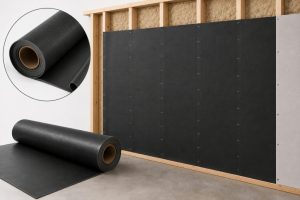
Isolation blocks sound between rooms. It is largely invisible and depends on construction details: mass, sealing, and structural separation. Unlike absorption and diffusion, isolation rarely contributes to visible design features.
Understanding these distinctions helps clarify where treatments can be hidden and where they can become expressive. It also explains why placement matters more than quantity. Depending on the room’s use, a few well-positioned elements at first reflection points often outperform large amounts of randomly placed material.
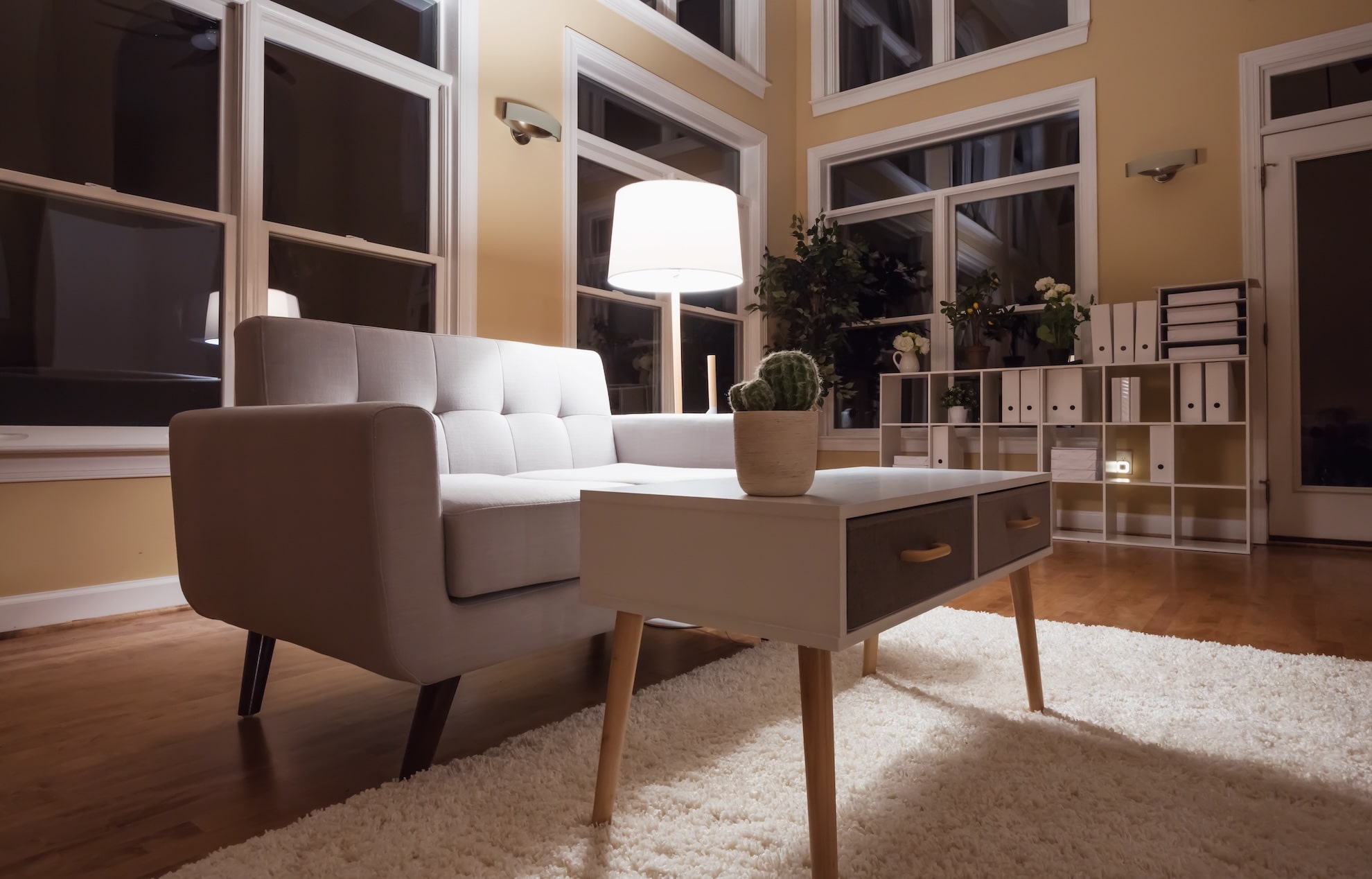
What Counts as “Stylish Acoustic Enhancements”?
Not every acoustic product belongs in a home. The options that succeed visually tend to share a few qualities: refined finishes, architectural proportions, and thoughtful integration. Several categories consistently perform well in both function and appearance.
Decorative Wall Panels (Fabric-Wrapped, PET Felt, Patterned Wood)
Decorative wall panels are among the most versatile. Fabric-wrapped systems, PET felt options, and patterned wood surfaces all fall into this category. When executed well, they resemble gallery groupings rather than acoustic treatments.
Sculptural Diffusion (Curved / Wood Diffusers as Wall Art)
Sculptural diffusion has grown in popularity as homeowners look for pieces that feel intentional. A curved acoustic diffuser or series of wood diffusers can read as acoustic wall art while improving spatial clarity.
Ceiling Statements
Ceiling elements have also evolved. Ceiling acoustic clouds can feel heavy when poorly designed, but slim, well-aligned modules can echo lighting layouts and feel like a part of the architecture. Baffles, when used selectively, can reinforce rhythm and proportion in taller rooms.
Integrated Millwork (Perforated / Slatted Fronts with Absorptive Backing)
Integrated millwork is one of the most sophisticated approaches. Slatted cabinetry fronts, perforated panels, and custom built-ins can conceal absorptive backing. This type of acoustic millwork integration allows performance to live behind visually consistent surfaces.
Hidden Helpers (Behind Art, Inside Columns, Behind AT Screens)
Some of the most effective tools are the ones you barely see. Hidden acoustic panels placed behind framed art, inside columns, or behind acoustically transparent screens quietly improve comfort without altering the room’s aesthetic.
Matching Looks to Treatments
Acoustic success improves when treatments align with the interior style rather than fighting it. The most effective solutions feel less like products added to a room and more like materials that were always meant to be there.
Warm Modern (Oak, Curves, Natural Textiles)
Warm modern spaces often rely on oak, soft curves, and natural textiles. These rooms pair well with curved diffusers and wood-faced absorbers that reinforce the organic palette.
Minimal Monochrome
Minimal monochrome interiors benefit from low-profile fabric panels and PET felt with tight seams. Subtle texture does the work without breaking the visual calm.
Mid-Century / Pattern-Forward
Mid-century and pattern-forward homes offer more freedom. Geometric wood acoustic panels and bold printed acoustic artwork can become focal points while still supporting performance.
Industrial Loft
Industrial lofts, with their height and hard surfaces, often need stronger ceiling intervention. Large ceiling clouds, dark felt surfaces, and exposed frames can complement the architectural honesty of the space while addressing reverberation.
In each case, the material choice is less about trend and more about coherence. Acoustic elements succeed when they feel like they belong.
Room-by-Room Plans (Beautiful and Effective)
Different rooms call for different strategies, even within the same home. How a space is used, how long it is occupied, and what activities take place within it all influence the acoustic priorities. When treatments are tailored to function rather than applied uniformly, the result feels both more comfortable and more intentional.
Living Room / Great Room
In living rooms and great rooms, treatments for early wall reflections can be disguised as art panels. A modest ceiling cloud above the seating area often reduces harshness, while fabric on the rear wall can soften both echo and screen glare.
Open-Plan Kitchen / Dining
Open-plan kitchens and dining spaces tend to suffer from hard surfaces. Felt panels above the dining table, combined with soft furnishings, often provide enough stylish sound absorption to restore comfort without overwhelming the design.
Home Office
Home offices benefit from precision rather than coverage. A small triptych of panels near the desk can improve speech clarity, while a bookshelf paired with a diffuser behind the camera supports better video calls.
Bedrooms
Bedrooms call for subtlety. Headboard-height panels can double as decor, while heavy window treatments contribute to both comfort and privacy.
Media Room
Media rooms demand the most technical approach, but that does not require visual compromise. Low-profile corner modules can be dressed as columns, rear-wall diffusion can sit behind seating as a feature, and behind-screen absorption can disappear entirely into the architecture.
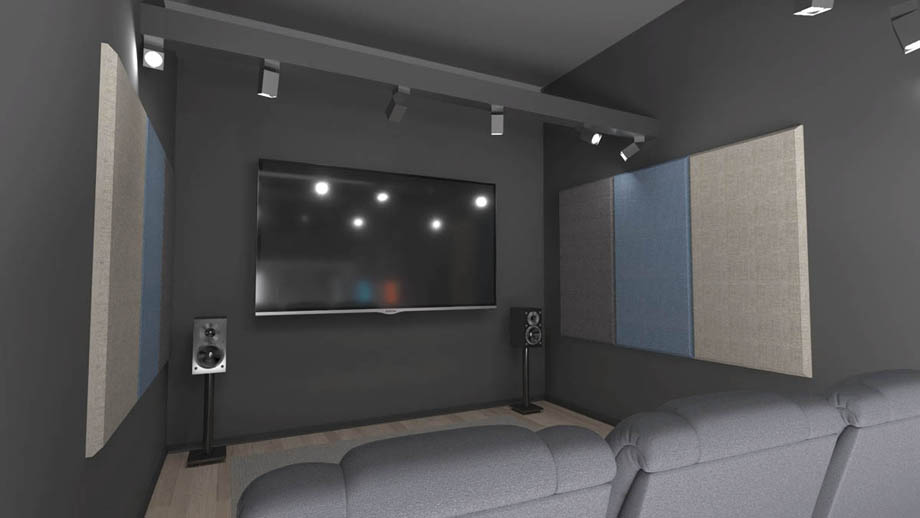
Walls That Work – Artful Absorption and Diffusion
Wall treatments perform best when chosen with intent. Panel thickness influences mid and high frequency control, and spacing influences how a composition feels visually. A wall of perfectly aligned panels may look orderly, but introducing rhythm through varied spacing can elevate the design.
Mixing framed art panels with occasional diffusive elements helps avoid the over-deadened feel that purely absorptive rooms sometimes develop. A modern acoustic wall treatment can therefore support both sonic balance and visual interest.
Ceilings as a Design Canvas
Ceilings often dominate the perception of echo because they are large, uninterrupted surfaces. Treating them effectively can change the character of a room more than almost any other intervention.
Successful ceiling strategies align modules with lighting, HVAC, and architectural grids. Some designers choose color panels that seemingly disappear, while others lean into contrast and allow ceiling features to become intentional statements. Both approaches can succeed when the layout feels deliberate rather than something added later.
Built-Ins, Slats, and Perforations (Invisible Acoustics)
Millwork offers one of the richest opportunities for subtle performance. A wood slat acoustic wall or slatted cabinetry fronts backed with absorption can read as continuous cabinetry. Perforated panels can maintain visual uniformity while still allowing sound to pass into absorptive cavities.
This approach is common in media walls, shelving systems, and even baseboard returns when designed carefully. When executed well, no one sees the treatment, yet everyone feels the difference.
Fabric, Color, and Texture Choices
Material selection influences perception as much as performance. Matte fabrics near screens reduce glare. Color-blocking can frame panels so they feel intentional rather than applied. PET felt adds tactile depth to otherwise flat interiors. Wood tones soften neutral palettes and allow acoustic elements to feel architectural rather than technical.
These choices are not superficial. They determine whether a treatment feels like an accessory or like an integrated part of the home.
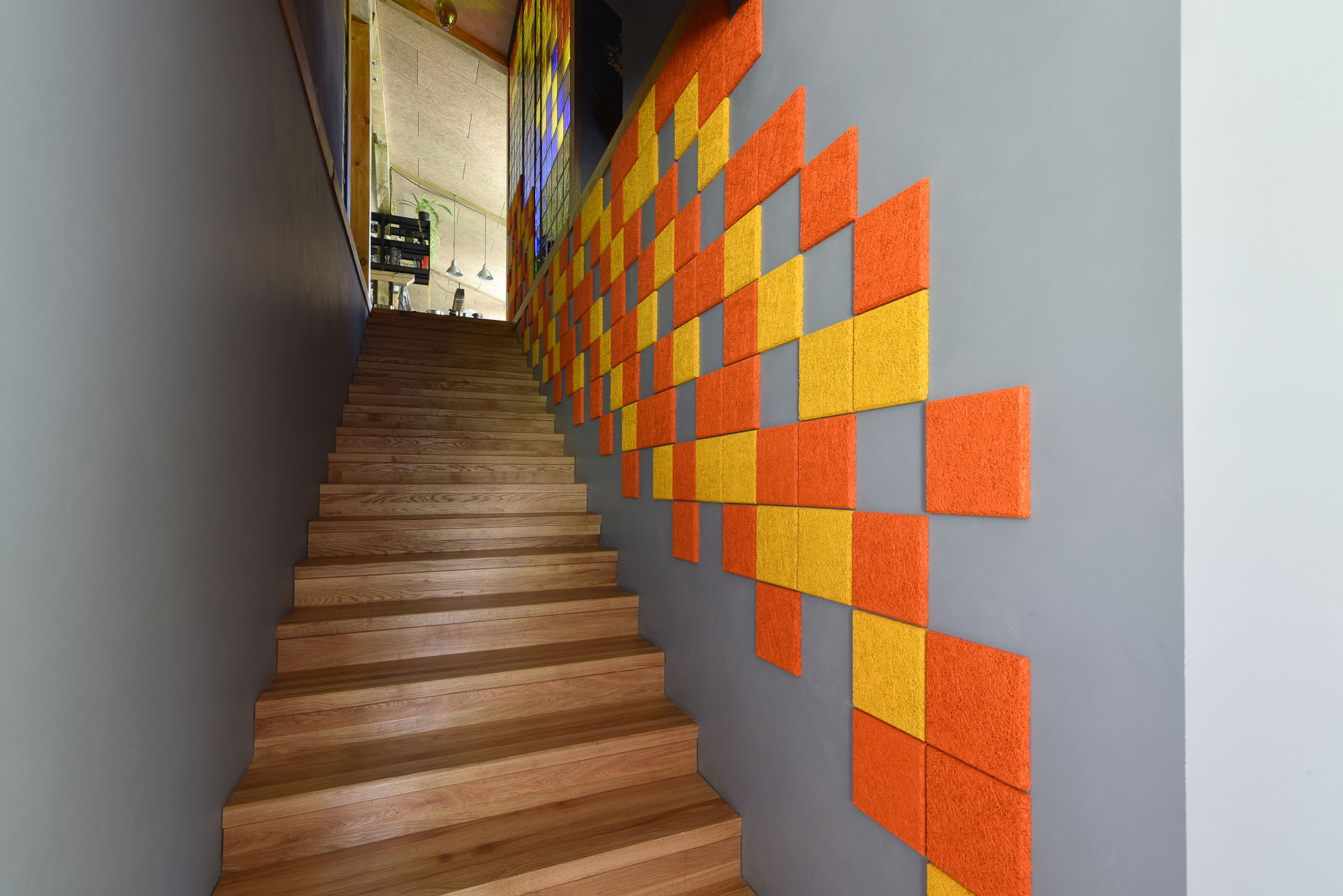
Hidden in Plain Sight – Stealth Treatments
Some of the most effective home acoustic treatment ideas involve hiding the solution entirely. Panels behind curtains, behind sofas, and above ceilings quietly reduce reflections. Under-stair cavities and riser voids in media rooms can become valuable acoustic assets. Door seals concealed by trim profiles improve isolation without changing appearance.
Stealth does not mean compromise. It simply means prioritizing visual simplicity while still addressing performance.
Performance Without Guesswork – A Simple Workflow
Residential acoustics do not need to feel mysterious. A practical approach often works best.
Start by identifying the loudest and most reflective surfaces. In critical listening rooms, address early reflections first, especially near seating and listening positions, then fine-tune with rear-wall diffusion as clarity improves. In more general living spaces, the same principles apply but can be implemented more loosely through choices like art panels, soft furnishings, and intentional media room acoustic décor rather than precision placement. Use a simple phone app to listen and measure. Adjust as you go.
This iterative approach keeps decisions grounded in experience rather than assumption.
Beautiful Options That Actually Work From Acoustic Geometry
Acoustic Geometry’s portfolio reflects the idea that performance and aesthetics should reinforce one another rather than compete.
Decorative Fabric-Wrapped Panels
Decorative fabric-wrapped panels are available in custom sizes and finishes, often grouped as triptychs or larger compositions. Their strength lies in flexibility: they can disappear into a wall palette or become intentional focal points depending on fabric choice and layout.
PET Felt Panels
PET felt acoustic panels provide subtle texture and modern color palettes suitable for both walls and ceilings. They are especially effective in contemporary interiors where visual softness is needed without introducing visual clutter.
Geometric / Wood-Faced Panels
Geometric and wood-faced panels introduce pattern and visual depth while supporting hybrid absorption and diffusion aesthetics. They work particularly well in spaces that benefit from architectural rhythm rather than purely soft surfaces.
Curved Diffusors
Curved diffusors function as sculptural elements, often used as rear- or front-wall features. Their value is as much experiential as acoustic, shaping how a room feels without drawing attention to technical intent.
Mounting Hardware
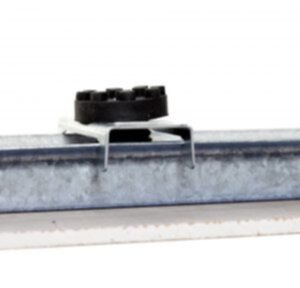
Mounting hardware supports floating installations that align cleanly with lighted and architecture features. Thoughtful detailing at this level often determines whether panels feel integrated or merely applied.
Low-Profile Corner Modules
Low-profile corner modules can be wrapped to match trim and blend seamlessly into columns and edges. This allows low-frequency control to be introduced without disrupting sightlines or room symmetry.
Together, these options demonstrate that designer acoustic finishes can feel intentional, not technical.
Care, Longevity, and Safety
Acoustic panels perform best when maintained. Most panels can be cleaned with light vacuuming or a lint roller. Many systems offer replaceable fabric wraps, extending their lifespan as interiors evolve.
Material selection should also consider durability and fire performance. Choosing products with appropriate residential fire ratings and using proper mounting hardware ensures both safety and longevity.
FAQs
Will panels make my room look like a studio?
Not when selected thoughtfully. Today’s products are designed to resemble décor rather than equipment.
Can I print custom art on acoustic panels?
Yes. Acoustic Geometry offers printed acoustic artwork that allows personal imagery without sacrificing performance.
Can I mix wood slats and fabric panels in one room?
Absolutely. Combining materials often creates richer, more layered spaces.
What’s the difference between a diffuser and a decorative absorber?
Absorbers reduce reflection by soaking up sound. Diffusers scatter sound to preserve energy. Both can be designed to look beautiful, but they serve different acoustic purposes.
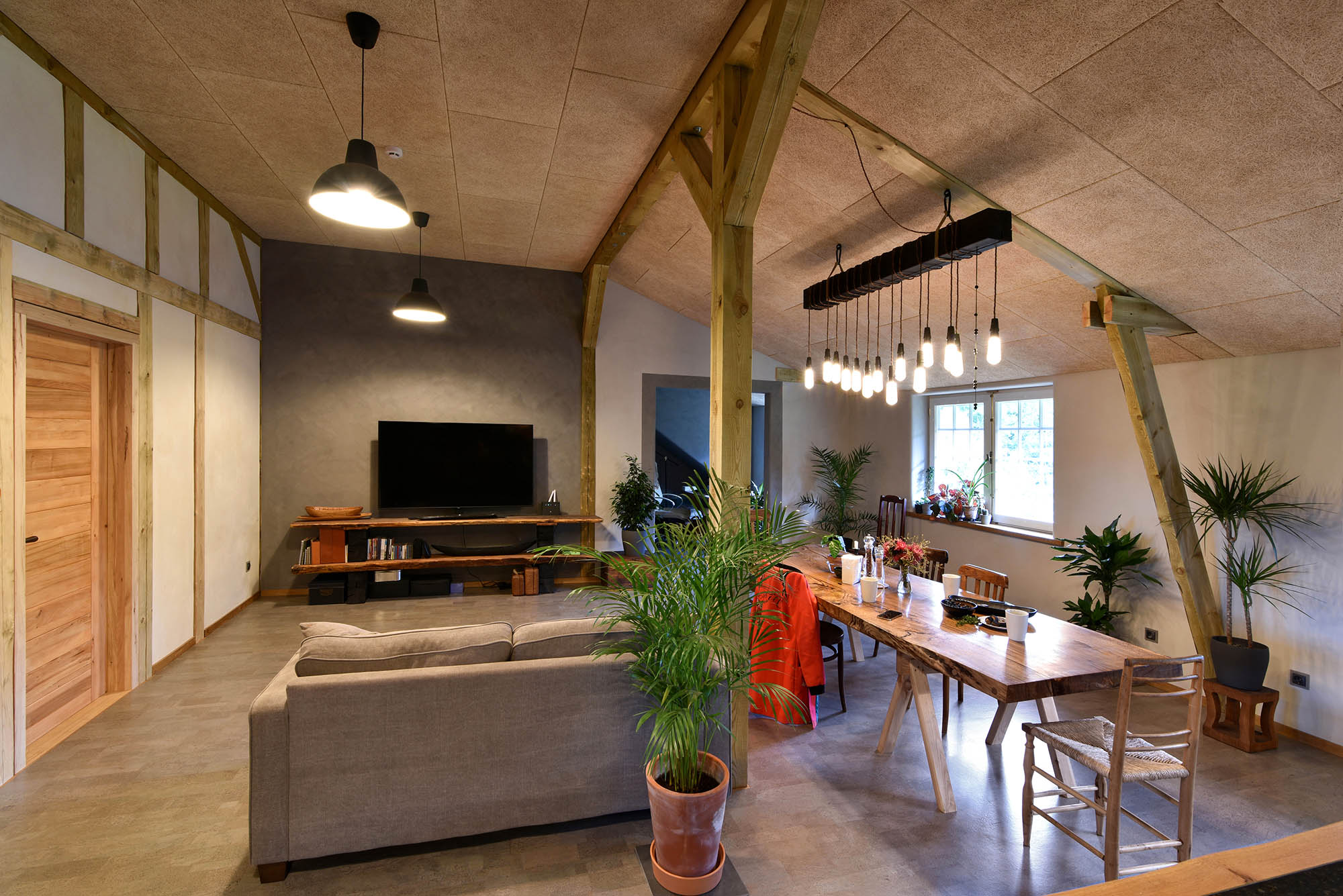
Designing Homes That Look as Good as They Sound
Residential acoustics have evolved beyond utility. They are now part of the design conversation, not separate from it. When treatments are chosen for both performance and appearance, they support spaces that feel calmer, clearer, and more intentional.
The most successful homes today are those where sound has been considered alongside light, texture, and proportion. Decorative acoustic panels, thoughtful millwork, sculptural diffusion, and carefully placed ceiling elements are not compromises. They are tools for shaping experience. For homeowners and designers looking to balance performance with aesthetics, Acoustic Geometry offers tools and systems designed to integrate seamlessly into residential interiors.
When approached with intention, stylish acoustic design becomes less about fixing problems and more about enhancing the way a home feels to inhabit.


About author










Add comment
You must be logged in to post a comment.