

How to Craft a DIY Meditation Space
Learning how to build a meditation space at home isn’t about copying a picture-perfect minimalist meditation room from social media. It’s about carving out a place that reliably signals your nervous system to slow down. When that signal is consistent, meditation becomes easier to return to – less something you “should” do, and more something your body recognizes as familiar and safe.
A dedicated meditation space supports stress relief by removing decision fatigue. You’re not constantly deciding where to sit, how to get comfortable, or what to tune out. Over time, that consistency becomes ritual. The moment you enter the space, your breathing deepens, your shoulders soften, and your attention starts turning inward before you’ve consciously tried to relax.
What often gets overlooked is how deeply sound, visual simplicity, and scent shape that experience. Even a thoughtfully styled zen corner at home can feel unusable if echoes bounce off bare walls, if street noise cuts through the quiet, or if competing sensory inputs pull your focus outward. This guide blends acoustic thinking with design and sensory choices so your meditation space feels calm, grounded, and genuinely restorative – whether you’re working with a spare room, a converted closet, or a corner of a small apartment.
Throughout this article, the goal is simple: help you build your meditation space intentionally, without overdesigning it, and without turning the process into another project that feels overwhelming or perfection-driven.
Find Your Spot & Intention
Before you think about cushions, lighting, or meditation nook ideas, start with clarity. A meditation space works best when it reflects how you actually practice, not how you think you should. Intention influences layout, sound control, seating choices, and even how visually open or enclosed the space should feel.
#1: Set Your Practice Goal
A space designed for silent sitting has very different needs than one used for guided meditation, breathwork, or gentle yoga. Silent practices benefit from deeper sound absorption and fewer visual focal points, creating an environment where subtle internal sensations are easier to notice. Guided meditation, on the other hand, benefits from sound clarity rather than complete silence, so the voice or music feels present without feeling intrusive.
If your practice includes movement, stretching, or floor-based work, you’ll want open space and forgiving surfaces that support transitions. Naming your primary use doesn’t lock you into one style of practice; it simply ensures the space supports how you actually meditate most often.
#2: Choose a Low-Traffic Nook
The best meditation space isn’t always the quietest room – it’s the one with the least interruption. Corners, alcoves, or wide closets often work better than central rooms because they naturally reduce pass-through traffic and visual distraction. In a small apartment, separation matters more than square footage. Even a partial boundary, like a screen or curtain, helps the mind shift from “shared living space” to intentional relaxation space.

Quiet the Noise (Acoustic Essentials)
Sound is often the deciding factor in whether a meditation space feels supportive or subtly stressful. You don’t need complete silence, but you do need predictability and softness. Reducing echoes, vibration, and outside noise helps the nervous system relax, making it easier to stay present instead of constantly reorienting.
#3: Add Soft Wall Treatments
Hard, reflective walls amplify everyday sounds, making even quiet rooms feel active. acoustic sound absorbers, acoustic wall art, or thick tapestries absorb mid- and high-frequency reflections that create that hollow, echo-prone feeling. These treatments are especially useful if you live in newer construction or open-plan spaces, where sound tends to linger.
Thoughtfully placed panels can also visually anchor the space, acting as a backdrop for meditation cushions or a focal point without adding clutter.
#4: Soften the Floor
Floors transmit vibration as much as airborne sound. A rug paired with a dense pad underneath reduces footfall noise, dampens vibration, and adds physical warmth. For enhanced impact control, consider soundproof floor underlay or other acoustic flooring options. Rug pad sound absorption is particularly noticeable if you live above or below other people, or if your building has hard flooring throughout.
#5: Gentle Diffusion
Absorption alone can make a space feel acoustically flat. Diffusion scatters sound so it doesn’t bounce directly back at you. Bookshelves, uneven wood surfaces, or curve sound diffusors help balance the room acoustically while adding visual depth – an ideal solution for a minimalist meditation room that still needs texture.
#6: Seal Door & Window Gaps
Sound travels through gaps far more easily than through walls. Simple weatherstripping, draft stoppers, AcoustiGasket tape around window frames and door trims, and intentional window coverings can dramatically reduce outside noise. For greater isolation, door sound seal kits provide more complete acoustic door sealing. When weighing blackout vs sheer curtains, consider your practice time. Blackout curtains provide stronger sound and light control, while sheers soften both without fully blocking them.

Installing AcrylAcoustic Window Treatment Insert
#7: Optional Underlay / Recycled Rubber (If Remodeling)
If structural noise is a constant challenge, underlayment made from recycled rubber can reduce vibration between floors. This level of soundproofing for meditation isn’t always possible for DIY setups, but it’s worth considering during renovations or in multi-level homes. Options like AcoustiBlox Iso Squares or other vibration isolation products can significantly improve impact noise control.
Curate the Sound You Do Want
Once unwanted noise is reduced, intentional sound becomes a stabilizing element rather than a distraction. Thoughtfully chosen sound can mask interruptions, reinforce focus, and create continuity from session to session. The goal isn’t immersion, but balance – sound that gently supports awareness without pulling attention outward.
#8: Low-Volume Soundscapes
A white noise machine, soft rainfall, or distant nature sounds help mask unpredictable background noise without demanding attention. In more challenging environments, adding subtle sound silencer panels can further reduce distraction. The key is restraint. Sound should support focus, not become the focus itself.
#9: Smart Speaker Placement
If you rely on guided meditation, speaker setup matters more than volume. A small speaker placed near ear height and angled away from reflective surfaces produces clearer, more natural sound. This allows you to relax into the guidance without straining or feeling sonically overwhelmed.
Light That Calms (Not Glares)
Lighting shapes mood, posture, and mental alertness more than we may realize. Harsh or direct light can increase tension, while soft, indirect sources encourage relaxation. In a meditation space, light should feel adjustable and forgiving, supporting both daylight practices and evening sessions without visual strain.
#10: Indirect, Dimmable Lighting
Ambient lighting ideas work best when the source itself isn’t visible. Lamps, wall sconces, or LED backlighting behind fabric wrapped acoustic panels create a soft glow that feels enveloping rather than harsh. Dimming capability allows the space to adapt to morning clarity or evening stillness.
#11: Soften Daylight
Natural light is grounding, but glare pulls attention outward. Sheer curtains or rice paper shades diffuse daylight beautifully, especially when you sit perpendicular to windows rather than facing them directly. If exterior noise is an issue, soundproof window inserts can reduce disruption while preserving light.
#12: One Ritual Flame
A candle or salt lamp acts as a visual anchor. Lighting it at the start of each session creates a consistent cue that it’s time to begin, reinforcing ritual through repetition. If your space incorporates overhead treatments, subtle acoustic ceiling solutions can further soften reflections and enhance the calm atmosphere around your focal point.

Scent, Air, and Breath
Scent influences the nervous system quickly because it bypasses conscious thought. When paired with fresh air and mindful breathing, subtle scent cues can help signal the start of practice. The key is restraint – clean air, gentle fragrance, and consistency rather than intensity or novelty. In shared buildings, pairing ventilation with acoustic insulation materials can also reduce distracting ambient noise.
#13: Choose a Signature Scent
Using the same subtle scent for each session strengthens association and makes it easier to settle in. Aromatherapy for mindfulness works best when it’s restrained – lavender, sandalwood, or eucalyptus delivered through a diffuser rather than heavy smoke. A wooden diffuser releases scent slowly and evenly, helping maintain a calm sensory environment supported by thoughtful sound control.
#14: Ventilate and Go Low-Smoke
Fresh air supports deeper breathing and longer sessions. Ventilate before and after practice, and prioritize low-smoke or smoke-free options to keep the air clean and distraction-free. If exterior sound travels through openings, consider pairing ventilation strategies with acoustic window and door solutions for improved isolation.
Comfortable, Minimal Seating
Physical discomfort is one of the most common reasons meditation sessions end early. Seating should support the body without demanding constant adjustment. Whether you sit on the floor or in a chair, comfort and stability allow attention to move inward instead of staying fixed on aches or tension.
#15: Cushion Stack (Zafu + Zabuton)
Meditation cushions support a neutral spine and reduce pressure on hips and knees. A zabuton also adds warmth and another layer of acoustic softness, particularly on hard floors. Layering cushions over soundproof floor underlay or other vibration isolation products can further reduce impact noise in multi-level homes.
#16: Chair Option for Accessibility
A meditation space should adapt to your body, not the other way around. A firm chair with feet flat on the floor and optional lumbar support is just as valid as floor seating options like cushions or a cozy yoga mat. In multipurpose rooms, incorporating subtle acoustic furniture can provide both comfort and sound absorption.
Visual Calm & Texture
What you see directly affects how quickly your mind settles. Too many colors, patterns, or objects can create subtle stimulation, even in quiet rooms. A meditation space benefits from visual restraint, softened textures, and a clear focal point that gives the eyes somewhere gentle to rest.
#17: Tight Color Palette
A calming color palette – mostly neutrals with one or two soft accents – reduces visual noise and helps the space feel cohesive rather than stimulating. In more refined installations, geometric wood acoustic panels can introduce subtle texture without overwhelming the space.
#18: Natural Materials
Linen, wool, rattan, and wood add warmth without clutter. These materials support biophilic design by echoing textures found in nature, subtly reinforcing calm. Options like wood wool acoustic panels combine natural material aesthetics with effective sound absorption.
#19: Single Focal Point
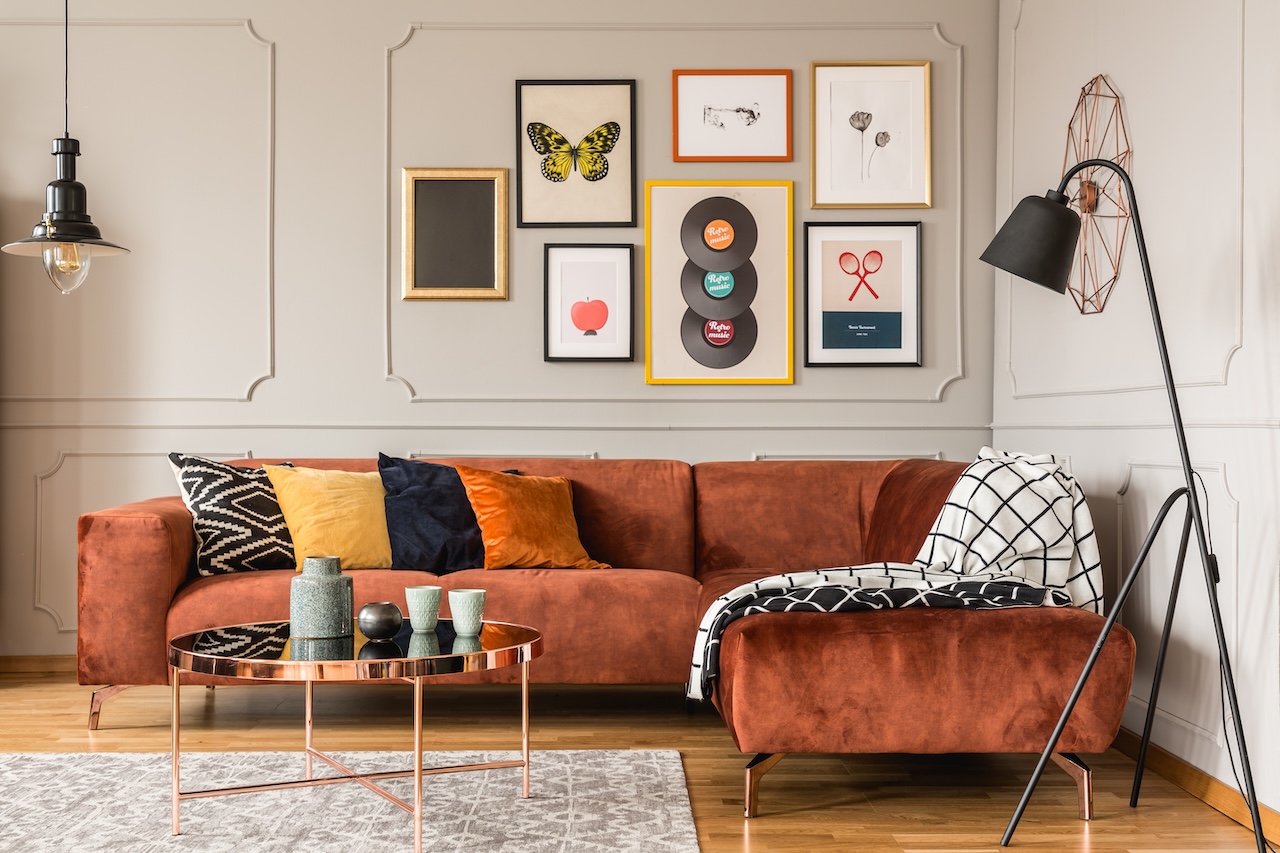
One intentional focal point – a plant, artwork, or simple altar – anchors attention. Altar setup ideas work best when they’re personal and edited rather than elaborate. Thoughtfully integrated sound absorbing art panels can serve as both visual centerpiece and functional acoustic treatment.
Nature Touches (Biophilic Boost)
Natural elements help regulate stress by signaling safety and familiarity to the brain. Even small connections to nature – through plants, organic textures, or natural materials – can soften the environment. Biophilic design doesn’t require abundance; a single intentional element can meaningfully shift the tone of a space.
#20: One Substantial Plant
Plants soften hard lines and bring life into the meditation space. Succulents work well for shelves or windowsills, while larger plants ground floor-level layouts. Even a single plant can noticeably shift the tone of a relaxation space. Pairing greenery with balanced acoustic ceiling solutions ensures the room feels calm both visually and acoustically.
Micro-Systems That Keep It Easy
Consistency thrives when friction is low. Small organizational systems help remove barriers between intention and action, making it easier to return to practice regularly. When setup and cleanup are simple, the meditation space feels inviting rather than demanding, even on busy or low-energy days.
#21: Ritual Tray
Keeping essentials – journal, timer, mala beads – together removes setup friction and supports routine. Over time, this small act of preparation becomes part of the ritual itself, signaling that it’s time to shift from doing into simply being.
#22: Hide Tech & Cables
Visual clutter pulls attention outward. Conceal cords, store devices, and charge them outside the space when possible. If electronics are part of your setup, pairing them with subtle acoustic management electronics can help maintain clean sound quality without visual distraction.
#23: 2-Minute Reset
A brief reset after each session keeps the space inviting. Straighten cushions, fold blankets, and take one mindful breath before leaving. Maintaining order also supports consistent acoustic performance, especially when using modular acoustic room packs in shared spaces.
Small-Space Layouts (Plug & Play)
Limited square footage doesn’t limit your ability to create a calming meditation space. With thoughtful placement and flexible elements, even shared or multifunctional rooms can transform quickly. The focus is on layouts that set up and reset easily, allowing the space to shift without effort.
#24: Corner Cushion Layout
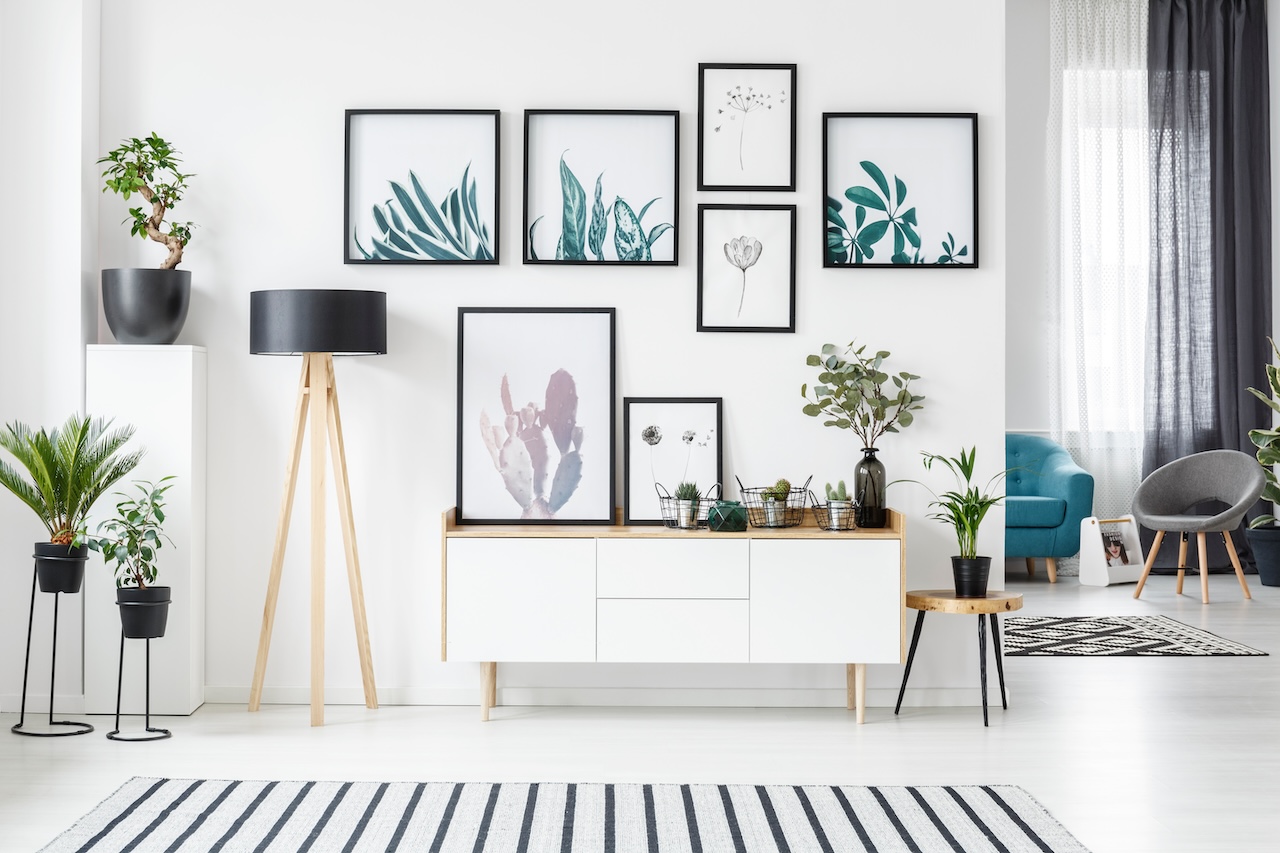
A simple layout – a rug with a pad, meditation cushions, acoustic sound absorbers behind, a plant to one side, and soft lighting – works beautifully in tight quarters.
#25: Day-to-Night Convert
If your meditation space shares a room with work or sleep, visual separation is key. A screen or curtain lets the space shift quickly. Roll out your rug, dim the lights, and the room transforms. In more demanding environments, a lightweight acoustic barrier or soundproof curtains can help define the space while reducing distraction.
Bringing It All Together
A meditation space doesn’t need to be elaborate – it needs to be dependable. When sound is softened, light is intentional, scent is subtle, and clutter is controlled, the space begins to support you automatically. Whether you’re refining meditation nook ideas or creating a quiet corner from scratch, the goal is the same: reduce friction and invite presence.
When you thoughtfully build your meditation space, you’re not just arranging objects. You’re designing a rhythm, a pause, and a place that consistently welcomes you back to stillness – no matter how noisy the rest of life becomes. For a full range of professionally engineered solutions, you can browse all our acoustic products to find the right fit for your space.


About author














Add comment
You must be logged in to post a comment.