

Reducing Noise in Shared Spaces: Smart Acoustic Treatments for Multi-Family Homes & Condos
Creating peaceful and functional shared spaces in multi-family homes can be a challenge. Whether it’s a home gym, media room, or shared office, noise often travels easily through walls, floors, and ceilings. This can lead to frustration, complaints from neighbors, and reduced enjoyment of otherwise useful rooms. That’s where thoughtful multi-unit soundproofing strategies and acoustic treatments come in–not just to block noise between units, but to improve how sound behaves inside each room.
This guide explores practical acoustic treatments and design strategies to make shared living spaces quieter, more private, and more enjoyable for everyone. But before we dive into specific solutions, it helps to understand why sound management is so important in multi-use spaces and what challenges these areas present.
Why Sound Management Matters in Multi-Use Spaces
Modern condos and apartments are designed for versatility, with spaces often doubling as gyms, game rooms, or shared offices. While this flexibility is convenient, it also introduces unique acoustic challenges. Without proper room acoustic management, shared areas can suffer from:
- Disruptive noise transmission into neighboring units.
- Stress and complaints due to constant disturbances.
- Reduced usability, where a room feels unusable because of echo, poor speech clarity, or intrusive sound.
- Poor in-room sound quality, making activities like watching movies, taking calls, or listening to music less enjoyable.
Here’s how different shared spaces present unique noise problems, and what can be done to combat them:
| Room Type | Primary Noise Source | Suggested Solutions |
| Shared Gyms | Treadmills, dropped weights | Impact noise flooring underlays, Iso Squares for vibration isolation |
| Game Rooms | TV, voices, impact sounds | Acoustic panels for shared walls, decorative sound panels, flooring isolation |
| Shared Offices | Conversations, typing | Fabric-wrapped acoustic panels, door seals, heavy curtains |
| Media Rooms | Bass, dialogue clarity | Low-frequency noise treatments (Bass Buster, CornerSorbers) wall absorption |
Understanding Sound Behavior in Shared Living Spaces
Before exploring specific strategies, it’s useful to understand how noise actually behaves in shared living spaces. Here is a quick look at some of the basic elements of sound behavior:
- Airborne noise – Sound that travels through the air, such as voices, TVs, music, and even the hum of appliances. In shared living spaces, airborne noise is often the most noticeable because it moves easily through walls, ceilings, and floors, especially if those surfaces aren’t properly insulated or treated with acoustic panels for shared walls. Without mitigation, airborne noise can disrupt sleep, work, or relaxation in adjacent units.
- Impact noise – These are vibrations created when physical energy hits a surface, such as footsteps, dropped weights in a gym, or moving furniture. Unlike airborne noise, impact noise travels directly through the structural elements like floors and ceilings, making it particularly challenging in apartments and condos. Solutions often involve impact noise flooring, vibration isolation pads, or floating floor systems to reduce transmission and make activity in one unit less disruptive to neighbors.
- Flanking noise – This occurs when sound sneaks around the primary barriers–through gaps around doors and windows, via ductwork, and even through empty wall cavities. Flanking noise can undermine other soundproofing efforts, allowing even well-treated rooms to transmit sound to adjacent units. Addressing flanking noise may include door seals, window gaskets, and careful attention to penetrations in walls or ceilings, creating a more airtight barrier that complements other room acoustic management strategies.
Common challenges in multi-use rooms include:
- Echo and reverberation, especially in large or minimally finished rooms. This often amplifies voices, TV audio, or music, making the space feel louder and more distracting.
- Sound transmission between units due to inadequate wall, floor or ceiling soundproofing. Airborne noise like conversations, television sound, or music can travel easily, disturbing neighbors.
- Poor noise zoning, where loud and quiet spaces aren’t separated effectively. Impact noise from foot traffic, exercise equipment, or gaming activities can spill into areas intended for rest or work, causing frustration and disruption.
Understanding these basics helps in choosing the right wall noise solutions and acoustic treatments for each room type.
Tip 1 – Use Fabric-Wrapped Acoustic Panels for Wall Absorption
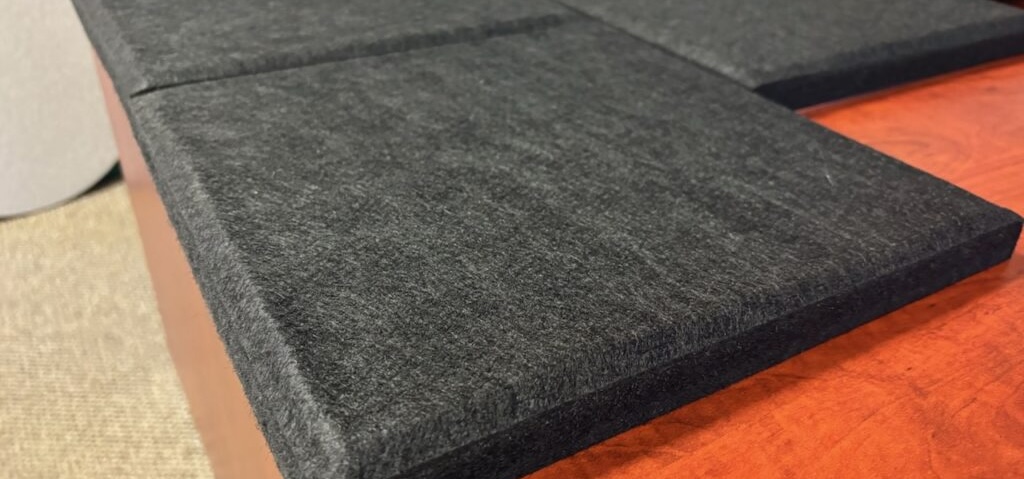
One of the simplest and most effective tools for echo control in rooms is the use of fabric-wrapped acoustic panels. These panels are primarily used to absorb mid- and high-frequency sounds, reducing echo and improving speech clarity. In shared living spaces, this means less distraction, fewer overlapping conversations, and a more enjoyable acoustic environment overall.
Some key benefits include:
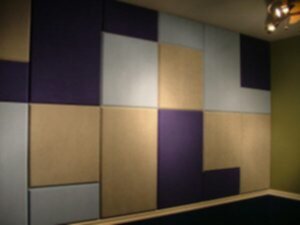
- Available in many styles of decorative sound panels, making them suitable for all types of living areas.
- Fire-rated and safe for residential use.
- Easy to install on shared walls where noise reflections are often worst.
It’s important to note: fabric-wrapped panels don’t block noise from leaving the room. Instead, they improve sound quality inside the room–making conversations clearer and movies or meetings more enjoyable. This can help with noise reduction in the space, meaning there is less noise available to pass from one room to the next.
Read More: The Difference Between Soundproofing vs Sound Absorption
Tip 2 – Separate Zones with Curtains or Room Dividers
When a full remodel isn’t possible, acoustic curtain solutions like quilted noise barrier curtains can help create distinct quiet and active zones. Unlike fabric curtains, these are industrial-grade barriers with dense inner layers designed for apartment noise reduction. This makes them an effective option for residents who need flexible, non-permanent ways to manage noise in shared living spaces.
Common applications include:
- Separating a shared office from a play area.
- Dividing a home gym from a lounge space.
- Flexible noise zoning in open layouts.
These curtains can be mounted on a roller track (like a sliding barn door), making them easy to move when needed or desired. They won’t pleat like fabric curtains, but they deliver serious room acoustic management benefits by reducing direct sound travel between zones.
Tip 3 – Install Ceiling Clouds or Baffles to Control Reverberation
If you’re dealing with rooms that have tall ceilings and lots of reflective surfaces, ceiling sound panels can be a lifesaver. Ceiling clouds and ceiling baffles for sound hang from above to absorb reflections, reducing overall reverb and improving clarity. By targeting sound reflections at their source, these treatments help create a more balanced and controlled acoustic environment without requiring major construction.
Best applications include:
- Multipurpose rooms with ceilings over 12 feet that don’t have a fire suppression sprinkler system installed
- Converted lofts or common areas with minimal wall space.
Caveat: In most residential settings–like condos or apartments with 8-10 foot ceilings–clouds and baffles may not be practical, especially with fire sprinklers in place. Still, for certain multipurpose room acoustics, they’re a smart option.

Tip 4 – Address Bass and Low Frequencies in Media Spaces
Media rooms and game spaces bring their own challenge: bass. Low-frequency sound travels through walls and floor with ease, disturbing neighbors. While no product can fully contain bass without a major construction project, targeted low frequency noise treatments can dramatically improve the sound inside the room. By taming these deep frequencies, you create a more balanced listening environment where dialogue, music, and effects are clearer and less overwhelming.
Solutions include:
- Bass Buster Panels – Absorb low-end build-up in corners.
- CornerSorbers – Specialized absorbers for tight spaces.
- Combine these products with wall-mounted sound absorption for clearer dialogue.
These treatments won’t stop bass from traveling into other units–but they will make true home theater soundproofing measures far more effective, and make the entire experience more enjoyable for those inside the room and out.
Tip 5 – Use Strategic Room Layout for Passive Noise Control
Not all noise control requires products–sometimes good planning makes the biggest difference. Architects often design with multipurpose room acoustics in mind, and you can apply the same logic in your condo or apartment. By considering house flow during layout decisions, you can reduce the need for heavy retrofits and create naturally quieter shared living spaces.
- Place quieter rooms (like bedrooms or offices) away from noisy activity zones.
- Use closets, storage areas, or utility rooms as buffers between noisy and quiet areas.
- Avoid placing media rooms or gyms against shared bedroom walls.
This kind of apartment noise reduction strategy doesn’t cost a dime, but it can prevent many complaints down the line. It’s a proactive approach that not only saves money but also supports long-term harmony among neighbors in multi-family homes.
Best Practices for Long-Term Sound Management
For lasting results in shared living spaces, think beyond single products and adopt a layered approach to noise reduction:
- Combine absorption and isolation – Use panels for echo control and flooring underlays for impact noise reduction.
- Seal gaps – Door sweeps, window seals, and caulking around penetrations are underrated wall noise solutions.
- Use multifunctional furniture – Bookshelves, fabric couches, and storage benches can double as subtle acoustic treatments.
- Mix aesthetics and function – Many decorative sound panels add design flair while helping with echo control in rooms.
When multiple strategies are combined, the result is more effective multi-unit soundproofing and a more comfortable environment.
Final Thoughts: Make Your Multi-Use Space Work for Everyone
Noise control in multi-family homes isn’t just about keeping the peace with neighbors–it’s about creating a living environment that actually supports the way people want to use their spaces. When residents have access to quiet shared offices, comfortable media rooms, or gyms that don’t rattle the ceiling below, the overall value and usability of the property increases dramatically.
The beauty of modern acoustic treatments is that they scale to the situation. For some, a few well-placed fabric-wrapped acoustic panels and door seals might be all it takes to solve annoying echo and improve conversation clarity. For others–such as homeowners converting a basement into a home theater–layered approaches like low-frequency noise treatments paired with decorative sound panels provide that professional cinema feel. Even in cases where major construction isn’t possible, small upgrades like acoustic curtain solutions or impact noise flooring can bring meaningful relief.
It’s also worth noting that no single product is a magic bullet. True room acoustic management usually comes from a blend of strategies: absorption, isolation, smart zoning, and thoughtful design. Think of it as tailoring a suit–each adjustment improves the fit until the whole system feels right. Over time, this layered approach not only reduces complaints but also fosters better harmony among residents who share walls, ceilings, and floors.
Finally, don’t underestimate aesthetics. Acoustic products today are designed to blend in–or even stand out as decorative sound panels–so treating a space no longer means compromising style. Instead, it’s an opportunity to elevate both the look and the sound of a room.
By investing in smart planning and proven soundproofing ideas for apartment gyms, offices, and entertainment areas, you make every room more functional and enjoyable. For those looking for solutions beyond the basics, Acoustic Geometry offers a full range of products–from fabric-wrapped acoustic panels and decorative sound panels to advanced low-frequency noise treatments–all designed to improve both the sound and aesthetics of shared spaces. If you’re not sure where to begin, our team can provide expert guidance and tailor-made solutions that fit your building’s unique layout and challenges. With the right combination of products and design choices, multi-unit soundproofing transforms noisy, frustrating environments into quiet, productive, and welcoming spaces that work for everyone.


About author









Add comment
You must be logged in to post a comment.