

Acoustic Testing Basics: What It Is, Why It Matters, and How to Get Started (Part 1)
The term “acoustic testing” might conjure images of labs lined with microphones or high-tech research projects. But in fact, acoustic testing is something that touches almost everyone. Whether you work in an open-plan office, set up a home studio, or just want to sleep through the night in your apartment, good acoustics matter.
In a nutshell, acoustic testing is the practice of measuring and analyzing sound in a space or product, then taking steps to improve it.
This is the first of a two-part series on acoustics testing, and in this article, we’ll explain the basics of what it is, why it matters in everyday life for comfort and audio quality, and how to get started, even if that means you just need an easy acoustic test at home.
What Is Acoustic Testing?
Simply put, if you’re wondering how to measure room acoustics, it’s the process of measuring and analyzing sound in a given space or on a product. The goal is to evaluate and quantify certain sound qualities, such as noise levels, reverberation, clarity, and sound insulation. In less technical terms, have you ever clapped your hands in an empty room? The resulting echo is an example of reverberation.
Acoustic testing simply takes that same principle but uses specialized sound testing equipment (such as a sound pressure meter) to measure and analyze sound behavior with scientific rigor. The specific testing used may involve a range of methods, from decibel testing and room acoustics measurement, to a soundproofing test to measure the noise blocking of a wall, for example.
If you were to visualize this, it might be as simple as an infographic showing sound waves bouncing off walls, being absorbed by acoustic panels, or being diffused by curved diffusors.
Why Acoustic Testing Matters
Acoustic testing may seem like an engineering niche, but it has real-world implications for comfort, productivity, and even compliance.
Better Sound = Better Experience
Bad acoustics can disrupt our day-to-day lives. In schools, it can make it difficult for students to hear their teachers. In offices, it can decrease concentration and productivity by introducing distracting noise. In restaurants, it can make it impossible to have a conversation without yelling due to unmanaged reverberation.
Sound in our built environment directly affects our experiences of music, speech, and even silence. Good sound management improves clarity, reduces listener fatigue, and creates more pleasant, functional spaces. This is why businesses should invest in reverberation management and homeowners should look into soundproofing test methods to improve comfort.
Meeting Building and Noise Regulations
Acoustic testing is also important for legal compliance. Many building projects have to meet code for noise level assessment or sound insulation testing. This could be measuring STC and NRC ratings for a wall or performing an environmental noise survey before breaking ground on a new build. Proper testing ensures that builders are meeting the necessary legal requirements for safety and quality.
Common Everyday Applications
Acoustic testing is more a part of our daily lives than many people realize. Here are a few common examples:
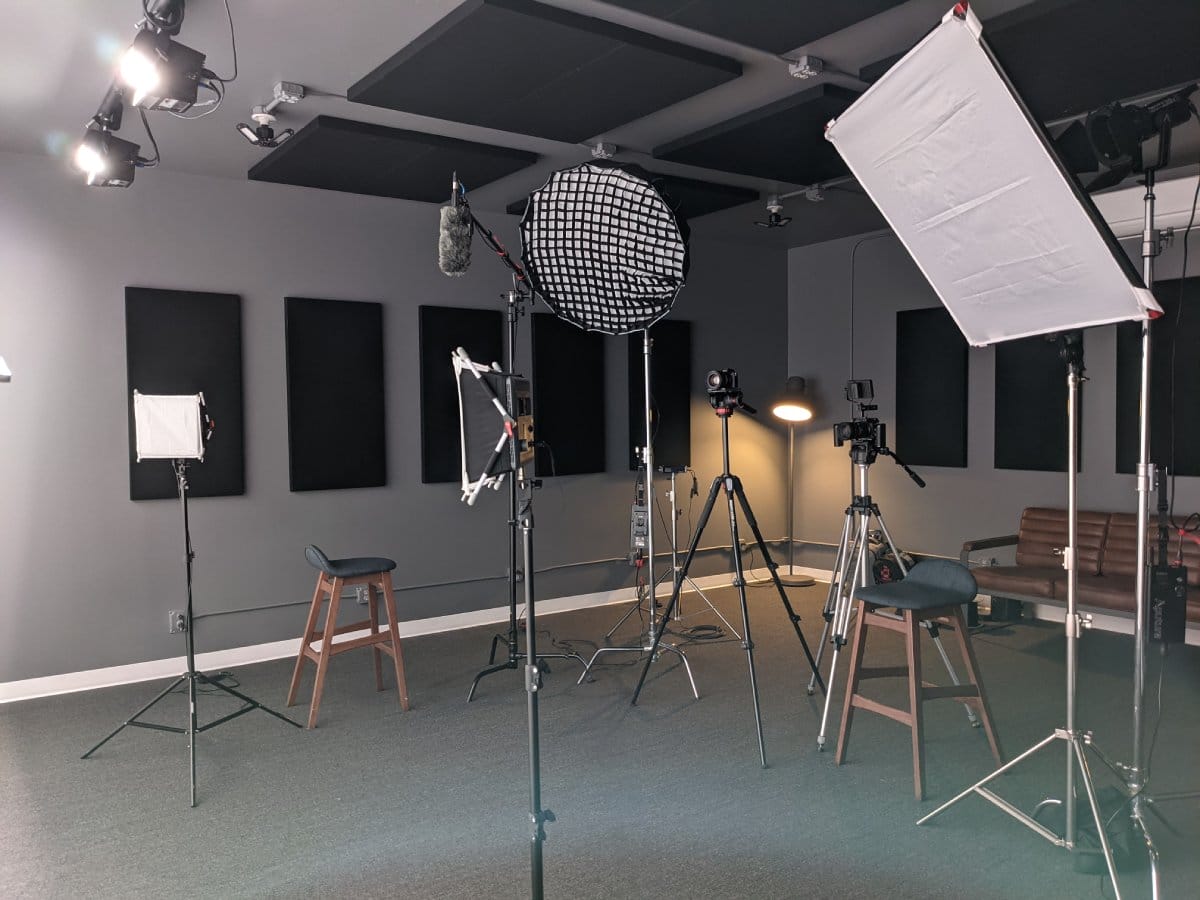
- Home studios: Musicians and podcasters perform sound quality testing and soundproofing test methods on their home recording spaces. They want to be sure recordings are clean, professional, and free of noise.
- Apartment soundproofing: Tenants often want to test the STC rating of their walls to know how well noise from their neighbors is being blocked.
- Office buildouts: Architects often run building acoustics tests to ensure large open offices won’t become noisy, chaotic boxes.
- Restaurants and event spaces: Reverberation management is often essential for clear conversation in public spaces like these.
- Product design: Engineers perform acoustic measurement to design quieter and quieter appliances, from dishwashers to cars.
In each of these cases, acoustic testing helps ensure a balance of performance, comfort, and compliance.
Can I Do Acoustic Testing Myself?
Many readers may wonder if they can do acoustic testing themselves. The answer is yes, to an extent.
Homeowners often try testing soundproofing by comparing before-and-after noise levels when adding acoustic panels or insulation, which provides a practical check even without a formal lab report.
For DIY home acoustic testing projects, there are several ways to check if a space “feels” too noisy. For a quick noise level assessment, you can use an app on your smartphone or order a handheld sound pressure meter online. These devices allow you to measure simple parameters such as the decibel levels in a bedroom or reverb in a practice space.
Alternatively, a simple acoustic test at home might involve nothing more than clapping your hands and recording the echo to get a sense of room acoustics.
Comparing conditions before and after adding acoustic panels, diffusors, etc. could be a further step to take. Just bear in mind that while DIY testing may be informative, it doesn’t result in certified reports. For instance, it’s not useful for construction or legal compliance.
On the other hand, when detailed reports and compliance documents are required, you need professional testing. Acoustic consultants or labs will use calibrated sound testing equipment to conduct formal sound tests. Some of these tests include:
- Sound insulation testing between apartments
- Environmental noise surveys for building permits
- Measuring STC and NRC ratings in building materials
Professional labs will deliver formal reports, which you can use to prove compliance for building codes, safety standards, or even legal disputes.
Note: Acoustic Geometry does not provide professional lab testing. For testing with formal reports, we recommend that customers search for accredited acoustic consultants or labs near them.
Here’s a handy chart which breaks down when you can perform DIY sound testing versus bringing in the professionals:
| DIY Testing | Professional Lab Testing |
| Good for basic noise checks | Required for compliance testing |
| Uses apps or handheld meters (e.g., from Amazon) | Uses calibrated, lab-grade equipment |
| No formal reports | Provides detailed reports for construction, legal, or regulatory use |
What to Look for in an Acoustic Testing Lab
If you do need formal results, it’s important to choose the right lab for the job. Here’s what to look for:
- Accreditation: You can usually check whether a lab follows international ISO or ANSI standards for sound insulation testing and building acoustics test methods.
- Services offered: Make sure the lab provides the services you need. This might include environmental noise surveys, STC rating evaluation, reverberation management, and more.
- Turnaround time: Some labs may take a week or more to deliver results. If needed, check how long they take and whether they provide digital or printed reports.
- Clarity of reports: A good lab will explain results in layman’s terms, including whether your project passes/fails thresholds. Proper vetting will ensure you receive credible, useful results from your acoustic testing lab.

Final Thoughts and Deeper Exploration
Understanding what acoustic testing is and why it matters is the first step to improving the acoustic comfort of your space. Whether you’re curious about soundproofing testing in a home studio or need to be sure your office space meets code, acoustic testing gives you the information you need to make good sound decisions.
For those just starting, DIY sound testing may provide some useful insights, but for formal, certified needs, professional labs and consultants will give you reliable documentation. In either case, it’s an investment that pays off in comfort, productivity, and overall quality of life.
If you’d like to learn more about related topics, be sure to check out our online resources on acoustic panels, reverberation management, and sound isolation vs. sound absorption. Remember to check back for part two of this series, where we’ll go deeper into the methods, equipment, and international standards that form the foundation of professional practice.


About author








Add comment
You must be logged in to post a comment.