
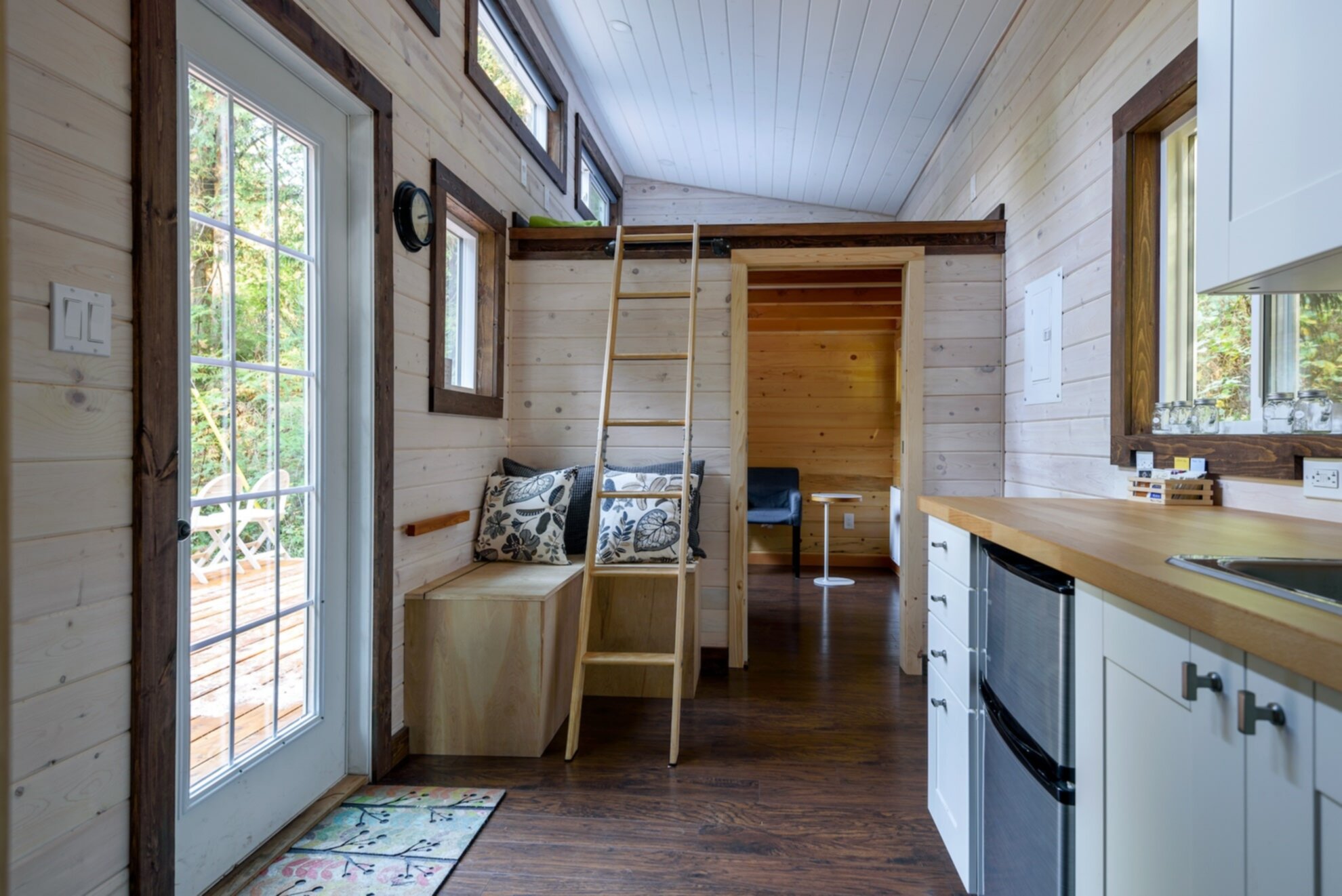
Soundproofing Tips for Tiny Home Builders
Tiny homes have gained significant popularity in the last few years. Praised for minimalist and sustainable living, unique designs, and personal mobility, these small dwellings have become a signature style in compact and efficient home construction. One element of tiny home comfort that’s not always considered upfront is noise. Whether you live near a highway, full-time on a residential community lot, or just need to mask your mini-fridge’s hum from the sleeping loft, tiny home soundproofing is essential.
Thin walls, compact layouts, and shared walls with neighboring vehicles or lots can all contribute to a noisy interior. Appliances and bathrooms are often in close proximity to sleeping lofts, making soundproofing a must. In addition, tiny homes are often made from lightweight construction materials like plywood or vinyl to stay under legal road weight limits. That means the walls and floor of your tiny house present minimal resistance to airborne and structural sounds. Most critically, there’s very little space inside wall or ceiling cavities to accommodate traditional soundproofing and insulation products. Because every pound matters in a compact build, choosing lightweight soundproof materials like acoustic foam, thin-layer MLV, and low-profile isolation clips is essential.
In this complete guide, we’ll look at the most efficient techniques, best products, and room-by-room approaches to soundproof tiny houses and other small living structures. With the right strategy and materials, tiny home builders and DIY’ers can construct or retrofit small dwellings with comfort and privacy.
The Unique Soundproofing Challenges of Tiny Homes
Soundproofing a tiny house isn’t as simple as making an existing home more compact. Mobility and scale both demand special considerations and treatments that are far more custom than conventional options. These unique design decisions have pros and cons from a sound control perspective.
Lightweight Construction Materials
Tiny homes are generally required to weigh under a certain amount to legally travel on state roads. This weight requirement typically means most structures will use plywood, vinyl siding, and lightweight interior finishes instead of heavier construction materials.
Although the moveable nature of tiny homes calls for these materials to keep within legal road weight ranges, they also make tiny house soundproofing more difficult because the floors and walls have low mass. That means they provide little ability to stop airborne and structural sounds from moving from one area of the home to another.
Also, there is often little to no space inside wall and ceiling cavities to add layers of conventional insulation or soundproofing products. Because every pound matters in a compact build, choosing lightweight soundproof materials like acoustic foam, thin-layer MLV, and Acousti-Gasket Tape is essential.
Proximity to Noise Sources
In a tiny house, your bedroom loft might be a few feet away from a noisy fridge, heater, or bathroom sink. Bathrooms and kitchens are often just a sliding door away from your sleeping space.
On the outside, if you park near neighbors, roads, or construction, noise can be amplified when a home has limited screening or buffer distance between those sources and its interior.
Limited Space for Traditional Soundproofing Systems
It’s also often not practical to add additional drywall, floating floors, or other treatments to insulate or decouple walls and ceilings due to weight and space restrictions. Space and weight restrictions often make traditional soundproofing methods like additional drywall or floated floors unworkable. These two factors demand that compact and lightweight solutions be put in place in the interests of blocking sound without taking up valuable inches of space or exceeding legal road weight limits.
Tiny Home vs. Traditional Home – Soundproofing Constraints
| Factor | Traditional Home | Tiny Home |
| Wall Thickness | 4–6 inches | 2–3 inches |
| Floor/Ceiling Mass | Dense (wood/concrete) | Lightweight (plywood, vinyl) |
| Appliance Proximity | Separated from bedrooms | Within 5–10 feet of the bed |
| External Noise Isolation | Easier with land buffers | Often parked in noisy areas |
Best Soundproofing Techniques for Tiny Homes
Now that we know some challenges to soundproofing a tiny house, we’ll review some small home soundproofing methods that work with these limitations to add comfort and reduce noise annoyance.
For example, using acoustic caulk in a tiny house ensures gaps around outlets, windows, and plumbing are sealed to prevent flanking noise from leaking through.
Add Strategic Mass Without Adding Bulk
To help block noise from vibrating through exterior walls and floors, use Mass Loaded Vinyl (MLV) products on the inside to add weight without taking up extra space. A high-density but thin material like MLV can add a huge amount of sound-blocking power while also maintaining a small profile. MLV for small spaces is a great choice when standard drywall or heavy acoustic barriers won’t work due to weight and space considerations.
For shared walls or high-noise areas, consider composite drywall options like QuietRock or a layer of Green Glue Compound sandwiched between drywall sheets to dampen vibrations. You can also add extra mass and soundproof tiny house walls with dense acoustic panels.
Acoustic Insulation That Doesn’t Eat Up Space
Where space allows, add high-STC insulation in wall cavities. Slim-profile fiberglass batts or foam insulation solutions that fit 2×2 or 2×3 framing offer good sound isolation in compact spaces.
Decouple Where You Can
If there’s room in the budget, use resilient sound isolation clips like RSIC-1 LP clips to decouple walls and ceilings from structural vibration. These low-profile soundproofing products are ideal for tin homes looking to reduce sound transmission but not use up extra space.
Seal All Air Gaps
Tiny homes also have many small penetrations for utilities, windows, and doors. All of these are well-known flanking paths for airborne and structural noise. Use acoustic caulk around outlets, plumbing penetrations, window frames, and any point where air might pass to greatly increase your tiny house noise reduction.
Room-by-Room Soundproofing Strategies
Different parts of your tiny house will have different soundproofing needs. Let’s look at where and how to target soundproofing by room:
Sleeping Areas
Sleeping areas are always a top priority in a tiny home. Use acoustic panels for tiny home setups. Echo Eliminator Panels, for example, can be used on the walls near your bed to absorb noise. You can also use heavy curtains or quilted blankets near windows and partitions to control airborne sounds.
One of the most effective ways of soundproofing a loft bed area is to combine acoustic panels, insulated wall cavities, and thick curtains to reduce both airborne and structural noise.
Bathroom
Oddly, bathrooms can be the noisiest room in a tiny house due to plumbing and flushing. Add an MLV barrier behind the drywall if possible. Use closed-cell foam to insulate around pipes and seal edges with acoustic caulk to cut flanking sound paths. See AcoustiBlok Pipe Wrap for more details.
Kitchen/Mechanical Zone
Appliance noise can travel through floors and cabinets. To reduce appliance noise in a tiny home, use vibration isolation pads under your refrigerator, sump pump, and HVAC equipment to isolate sound energy at the source. Add MLV or other soundproofing barriers behind cabinetry or appliance backing areas, and consider relocating noisy components away from sleeping zones.
Summary of Treatment by Area
| Area | Noise Type | Priority Treatment |
| Sleeping Loft | Airborne | Insulation + Curtains + Panels |
| Bathroom | Impact + Airborne | MLV + Caulk + Foam Insulation |
| Kitchen | Vibration + Airborne | Anti-vibration pads + MLV |
| Walls/Floor | External noise | MLV + Soundproof Underlayment |
Mobile Homes & Vans: Extra Considerations
Although Acoustic Geometry does not carry RV or trailer-specific soundproofing materials, many of the same principles and products work for these vehicle-built tiny homes and mobile structures.
How to Block Road Noise in a Tiny House
Line your wheel wells and subfloor areas with MLV or closed-cell foam to keep road and tire noise from entering your mobile home or trailer. Also, add an underlayment for sound control under vinyl or laminate to reduce vibration transfer.
Roof and Ceiling Vibration
Use closed-cell spray foam or MLV under roof panels for insulation and sound control. If vertical space is available, consider installing a decoupled ceiling with RSIC clips to trap vibration energy and greatly improve ceiling soundproofing.
Lightweight Products Ideal for Compact Living
When shopping for the best materials to soundproof DIY for small homes, seek out solutions specifically designed for small spaces and structures with tight weight restrictions.
Acoustic Geometry has several top-of-the-line products that are ideal for these purposes:
- Mass Loaded Vinyl: A thin but dense material for walls, floors, and ceilings.
- RSIC-1 LP Clips: For decoupling and isolating ceilings and walls.
- Green Glue Compound: A damping compound for reducing vibration between drywall layers.
- Echo Eliminator Panels: Made from recycled cotton, ideal for walls or ceilings.
- Vibration Isolation Pads: Absorb vibration from appliances, pumps, or HVAC.
Pro Tips for Tiny Home Builders and DIYers
A little planning can go a long way toward ensuring quiet living in tiny homes. Here are some expert tips to get the best performance out of your soundproofing:
- Plan early: It’s best to consider soundproofing at the design stage of any tiny home build, especially for sleeping and utility areas.
- Prioritize hot zones: The sleeping loft, bathroom, and mechanical areas are usually most vulnerable to sound complaints. Focus on soundproofing measures here first.
- Use a combo strategy: The most effective solutions combine mass (MLV), absorption (panels), and sealing (caulk).
- Upgrade windows and doors: Add gaskets, seals, or double-pane inserts where possible. Heavy curtains are also an affordable and highly effective option.
Build Peace and Quiet into Your Compact Home
Tiny homes may be small, but a peaceful interior is a big deal. Tiny house soundproofing is an easy and affordable way to uplevel comfort, privacy, and well-being in your tiny space with a little planning and the right materials. From professional builders to weekend DIY projects, soundproofing should be no different than taking the time to figure out storage and energy efficiency.
Need some help identifying the right products and layout for your space? Reach out to us here at Acoustic Geometry. We offer custom soundproofing solutions that are specifically engineered for tiny homes, mobile and small spaces.
With the right approach and high-quality materials from Acoustic Geometry, tiny home soundproofing is more than possible, it’s a foundation for creating truly livable, serene spaces.


About author











Add comment
You must be logged in to post a comment.